
If you are comparing a breast lift vs. augmentation, start with one question: do you want to change breast position, add volume, or address both concerns?
A breast lift, called mastopexy, reshapes and raises breast tissue while removing excess skin. Breast augmentation uses implants or, in some cases, fat transfer to add volume. A surgeon may discuss combining a lift with implants when a patient wants a change in both position and fullness.
Those differences sound clear on paper. Your anatomy, skin quality, health history, and preferred look can change the surgical plan. A virtual consultation can help you organize the right questions, but an in-person examination and medical evaluation determine the final recommendation.
Breast lift vs. augmentation at a glance
| Consideration | Breast lift | Breast augmentation | Lift with implants |
|---|---|---|---|
| Main goal | Raise and reshape breast tissue | Add volume and projection | Address position and volume together |
| Adds implant volume | No | Yes, when implants are used | Yes |
| Removes excess skin | Yes | No | Yes |
| Nipple and areola position | May be repositioned as part of the lift | Augmentation alone does not serve as a lift | May be repositioned as part of the lift |
| Incisions | Pattern depends on breast shape, skin, and degree of sagging | Location depends on implant and surgical plan | Includes lift incisions plus implant placement |
| Implant follow-up | None unless another implant-based procedure is included | Long-term implant monitoring applies | Long-term implant monitoring applies |
| Recovery plan | Based on technique and individual healing | Based on implant placement and individual healing | May involve more tissue work than either procedure alone |
This table compares procedure goals. It cannot predict your candidacy, incision pattern, recovery, or result.
Changes a breast lift can make
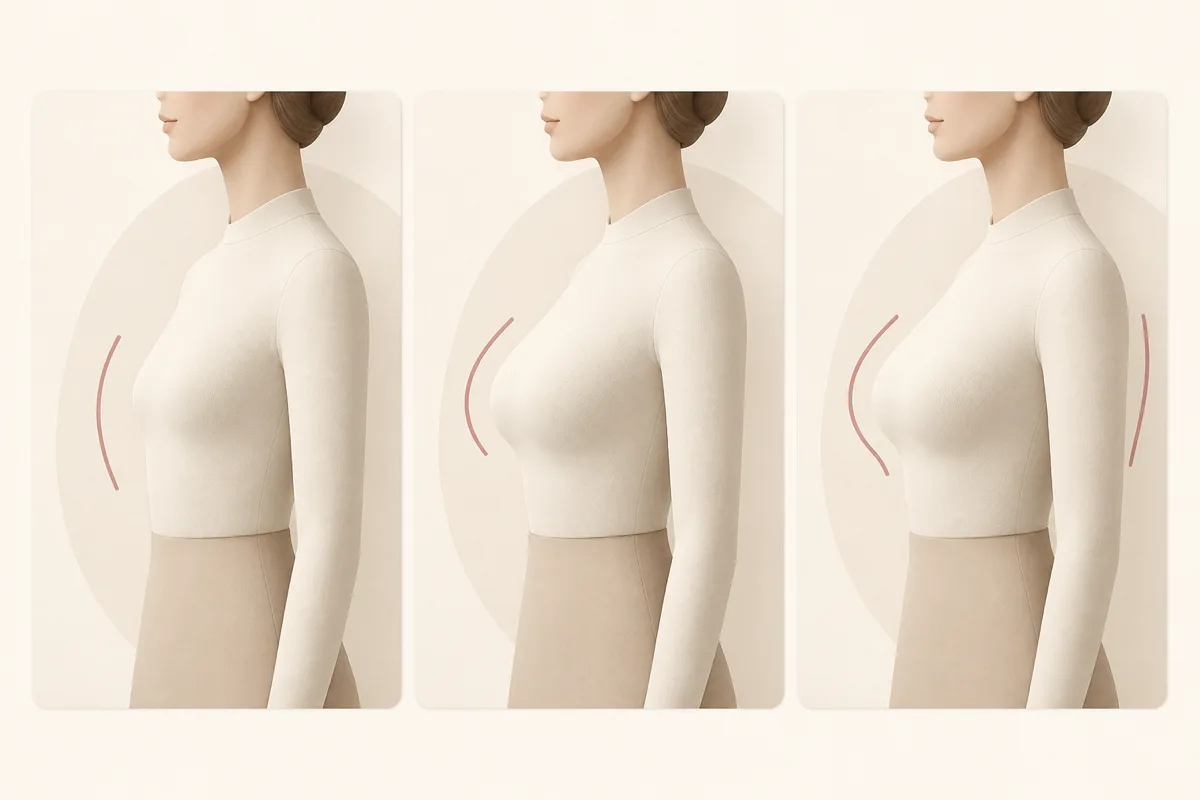
Pregnancy, weight changes, aging, and genetics can affect skin elasticity and breast position. Some women retain enough volume but feel that the breast sits lower than they prefer. Others focus on stretched skin, nipple position, or a shape that has changed over time.
The American Society of Plastic Surgeons describes mastopexy as a procedure that raises the breasts by removing excess skin and tightening surrounding tissue. During the operation, a surgeon can reshape the underlying tissue and reposition the nipple and areola. The incision pattern depends on factors such as breast size and shape, areola position, the degree of sagging, and skin elasticity.
A lift does not add implant volume. It may make the breast appear firmer or more compact because the surgeon reshapes existing tissue, but it does not create the same upper-breast fullness or projection associated with an implant. Review the dedicated Breast Lift in Mexico page if position and excess skin are your main concerns.
Changes breast augmentation can make
Breast augmentation focuses on volume. A patient may consider it to increase breast size, restore fullness after pregnancy or weight change, or address a difference in breast volume. Implant type, size, shape, profile, and placement all affect the plan.
Augmentation alone does not remove excess skin or reposition tissue in the same way as a lift. An implant can fill part of the breast envelope, but adding volume cannot correct every degree of sagging. Choosing a larger implant to avoid a needed lift can introduce a different set of tradeoffs, so the decision should follow an examination rather than a cup-size target.
The FDA requires patient labeling for breast implants, including a boxed warning and a patient decision checklist. The agency also states that breast implants are not lifetime devices. Complications and additional operations can occur over time. Patients considering implants should ask for the manufacturer’s patient booklet, discuss device-specific risks, and understand the follow-up plan before surgery.
The Breast Augmentation page covers the procedure’s commercial details. This comparison article stays focused on the decision between position and volume.
Reasons a surgeon may discuss a lift with implants
Some patients describe two goals during consultation: they want the breast to sit higher and they want more fullness. A surgeon may discuss a combined lift and augmentation in that situation. The lift addresses skin and position; the implant addresses volume.
Combining procedures also creates additional decisions. Your surgeon needs to assess tissue quality, implant dimensions, incision pattern, surgical risk, and how much correction can be completed in one operation. Some patients may receive a staged plan instead of a combined operation. The choice depends on the examination and the surgeon’s judgment.
Breast surgery also appears in some Mommy Makeover plans, alongside abdominal or body-contouring procedures. Combining operations can change risk, recovery, and travel planning. Ask the surgical team to explain why a proposed combination fits your case and whether a staged approach deserves consideration.
Scars and recovery: practical differences
Every breast operation creates scars. A lift often requires more skin incisions than augmentation alone because the surgeon removes skin and reshapes the breast. ASPS lists several common lift patterns: around the areola, around the areola with a vertical line to the breast crease, and a pattern that also follows the crease. Your anatomy and planned correction determine the pattern.
Augmentation incisions vary by the selected technique and device. A combined operation includes the lift incisions and placement of the implant. Ask where the surgeon expects the scars to sit, how the pattern supports the planned shape, and how your history may affect scar healing. No clinic can promise that scars will disappear.
Recovery also varies. ASPS notes that breast-lift patients may wear a support bra and receive individualized instructions for incision care, activity, and follow-up. Its augmentation guidance says soreness and swelling can continue for several weeks, while the surgeon controls the timing for exercise and normal activity. A combined procedure may require a different plan because the surgeon has reshaped tissue and placed an implant.
Do not choose a procedure based on a generic return-to-work date. Your job, the amount of lifting you do, the operation performed, and your healing response all matter. Request written instructions for driving, lifting, sleep position, work, and exercise before you arrange leave.
Cost factors and long-term planning
The price difference between a breast lift and augmentation depends on the surgical plan. Relevant factors can include:
- The operation or combination of operations
- Operating-room, anesthesia, and surgeon fees
- Implant manufacturer and model, when applicable
- Preoperative testing and postoperative support
- Travel, lodging, and follow-up arrangements
- Care needed if a complication or revision occurs
A low headline price can omit services you need. Request an itemized quote and ask which expenses remain your responsibility. JR Aesthetic’s International Patients page describes an optional support package, but availability, inclusions, and current pricing should be confirmed during consultation.
Implants also carry long-term costs. The FDA advises patients that implants can require added operations and monitoring. Patients with silicone gel-filled implants may need ultrasound or MRI screening for silent rupture based on the device labeling and their clinician’s guidance. Ask how you will receive your implant card and who will coordinate future imaging after you return to the United States.
Planning breast surgery in Matamoros from the United States
Travel adds decisions that local surgery may not involve. The CDC Yellow Book notes that surgery and travel can each increase blood-clot risk. Its medical-tourism guidance advises patients not to fly for 10 days after chest or abdominal surgery. Your surgeon may recommend a longer stay based on the procedure, route home, and your risk factors.
Build the return plan around medical clearance rather than a nonrefundable ticket. Confirm:
- How long the team expects you to remain near the clinic
- Who will accompany you and help with luggage
- Where postoperative visits will take place
- How to reach the team after hours
- Which records you will take home
- Who can evaluate you in the United States if a concern develops
The CDC also recommends researching the treating clinician, facility, follow-up arrangements, and total services included. Accreditation or certification can support your research, but it cannot guarantee an outcome.
Questions to bring to your virtual consultation
Use your consultation to connect your goals with the medical plan:
- Does my main concern involve position, volume, or both?
- Which procedure options would you evaluate in person, and why?
- Where might my incisions sit based on the proposed technique?
- If you recommend an implant, which device options fit my anatomy and goals?
- Can I review the manufacturer’s patient labeling and decision checklist?
- How could a combined procedure change my risks and recovery?
- How long should I stay in Matamoros before you assess me for travel?
- Which follow-up visits and records will I need after returning home?
- Which symptoms require a call to your team or urgent care?
- Which costs fall outside the written quote?
Frequently asked questions
Can breast augmentation lift sagging breasts?
An implant adds volume, but augmentation alone does not remove excess skin or perform the tissue reshaping involved in mastopexy. A surgeon must examine skin, tissue, and nipple position before discussing whether augmentation, a lift, or a combination fits your goals.
Can a breast lift add upper-breast fullness?
A lift reshapes existing tissue and changes position. It does not add implant volume. The amount of fullness a lift can create depends on your anatomy and technique, so discuss the look you want with the surgeon instead of relying on a procedure name.
Does a lift with implants always happen in one operation?
No. A surgeon may discuss a combined or staged plan based on tissue quality, desired change, health history, and surgical judgment. The assessment determines which approach deserves consideration.
Which option has more scars?
A lift often uses more skin incisions than augmentation alone. The exact pattern varies. A combined operation includes lift incisions and implant placement. Ask the surgeon to draw the expected incision pattern during your consultation.
How long do breast implants last?
The FDA states that breast implants are not lifetime devices. Their lifespan cannot be predicted for an individual patient. Some patients need removal, replacement, or another operation because of a complication or a change in preference.
Is it safe to travel home soon after breast surgery?
Travel timing requires medical clearance. The CDC advises medical tourists not to fly for 10 days after chest or abdominal surgery, and your team may recommend more time. Discuss your route, mobility, health history, and procedure before booking the return trip.
Discuss your goals in a private virtual consultation
You do not need to choose a procedure before speaking with the surgical team. Bring photos that communicate your preferences, your medical history, and a list of questions. JR Aesthetic can explain which options may warrant an in-person assessment and help you plan the next steps for care in Matamoros.
Book a free virtual consultation
This article provides general education and does not replace medical advice, diagnosis, or an examination. Procedure choice, travel clearance, recovery, and follow-up depend on an individual assessment by a qualified clinician.


